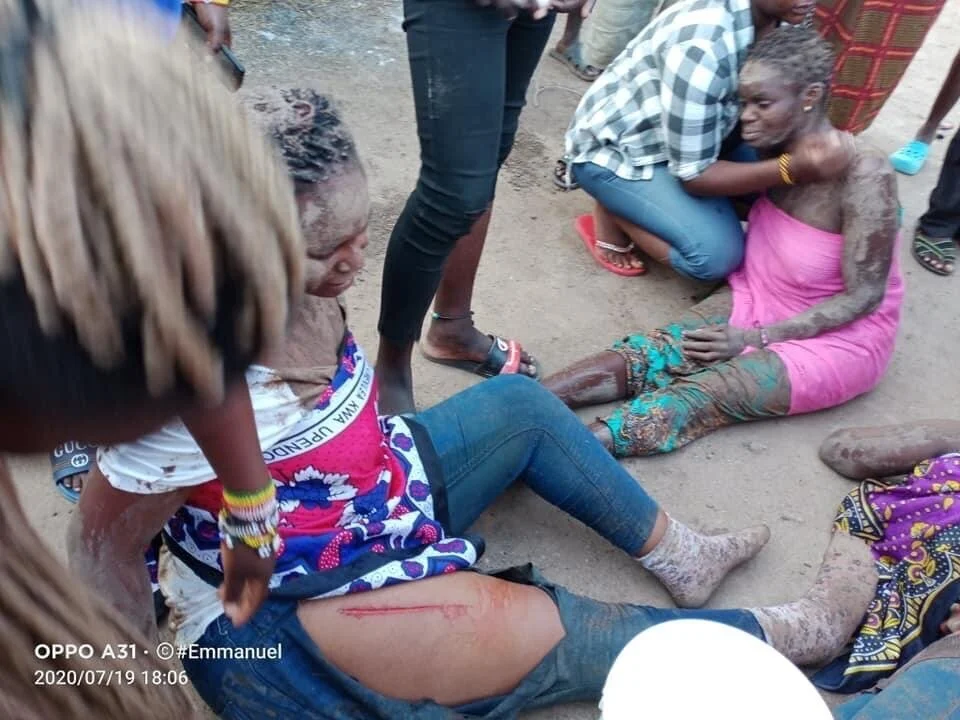
Escaping violence and lesbophobia in their home country, lesbian refugees are sent by UNHCR to the Kakuma refugee camp. As they are seeking asylum due to their sexuality they are put in the LGB&T Block 13. This identifies them to other refugees in the camp and they suffer ongoing violence and abuse as a result. The UNHCR and Police have been informed of these crimes but do nothing to support them or keep them safe.
Supporting Lesbian Refugees from Kakuma: An Update for Our Supporters
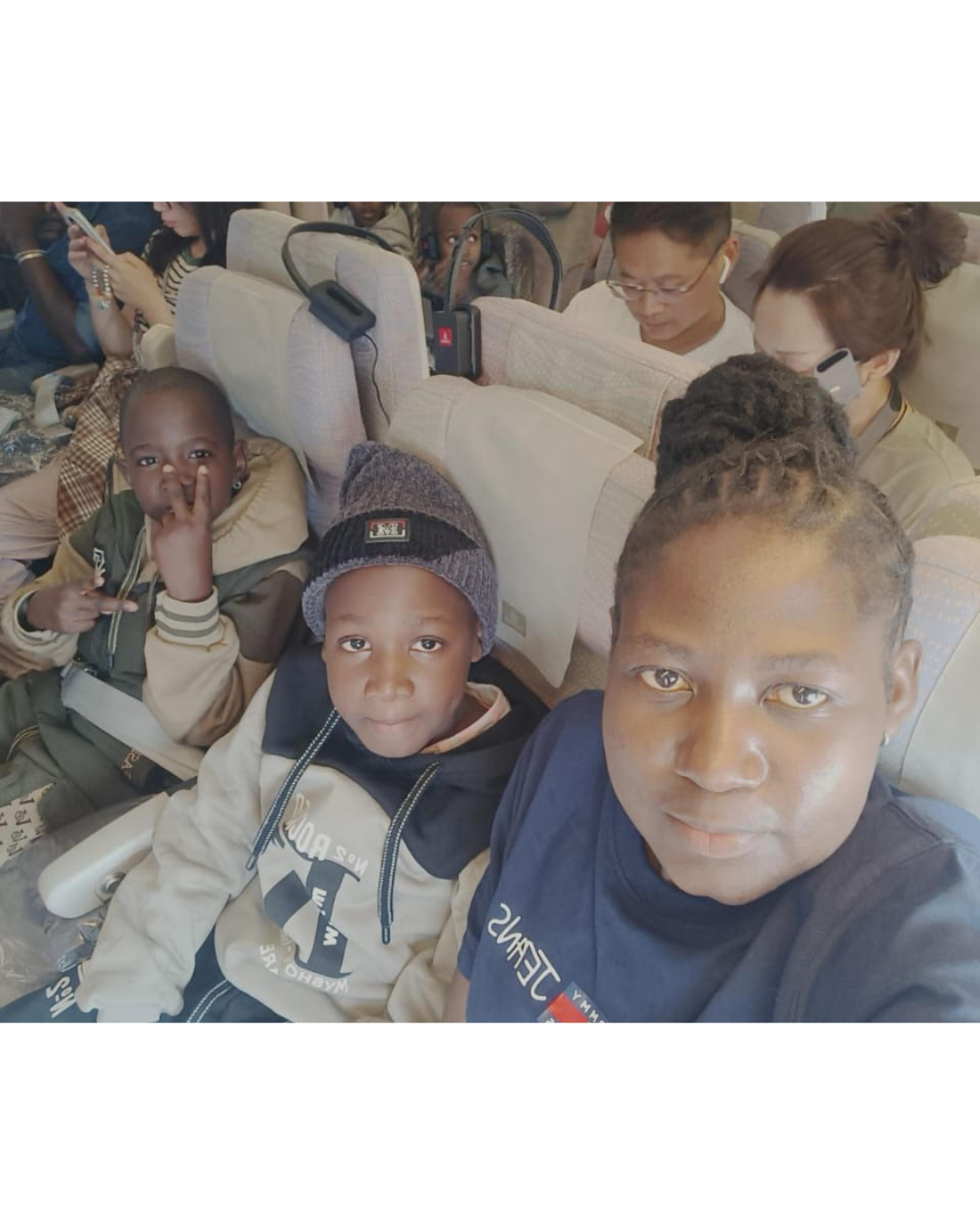
Reginah, Angela and Michael on the plane to safety
Since 2020, FiLiA has collaborated with a group of lesbian refugees connected to Kakuma Refugee Camp in Kenya. Our relationship began after some members of the group shared their experiences on a podcast: they asked for practical support and for help raising awareness of the challenges faced by them as lesbian refugees, and by their children.
Over the past five years, this work has been co-produced with our sisters in Africa alongside international lesbian supporters – building on trust, mutual respect and sisterhood. It is volunteer-led and made possible by the generosity of FiLiA supporters and the commitment of feminist and lesbian activists around the world.
Why This Work Matters
The women we support have experienced severe discrimination and violence because they are lesbians. Many have been denied access to services, healthcare, and the protection that should be available to all refugees. The homophobic policies of the Kenyan government mean that homophobia is not just tolerated but celebrated. State agencies are comfortable in openly refusing services to lesbian refugees and even the international humanitarian agencies that are there to support refugees are mostly staffed by local people for whom homophobia is an acceptable part of culture.
Several women have faced physical attacks, homelessness, barriers to medical treatment and threats to their safety. Some have now been resettled in safer countries, while others remain in extremely difficult circumstances.
Throughout this work, the women have said that they want their stories heard. They have consistently advocated for themselves and for other lesbian refugees facing similar conditions. Whilst not replacing humanitarian aid specialists, FiLiA has played apart in helping to amplify the women’s voices, support their self-advocacy, and help meet their unmet needs where possible.
What FiLiA Does
Our volunteer work includes:
Raising awareness of the situation facing lesbian refugees
Amplifying the women's voices through FiLiA events, publications, podcasts and networks
Providing emergency financial support for food, shelter, hygiene products and medical treatment
Advocating with organisations involved in refugee protection and resettlement
Supporting women who have been resettled as they establish new lives
Working with international partners to build solidarity and coordinate support.
FiLiA is not an international development or humanitarian aid organisation and so does not manage refugee resettlement programmes. Decisions about relocation are made by official agencies and governments. FiLiA helps to build strategic advocacy, as well as sometimes providing individuals with supporting evidence where appropriate. We connect women with relevant organisations and offer practical support, along with our international sisters.
A word from our Sisters
Reginah, now settled in Canada – ‘Surviving Kakuma did not define the end of our story, it strengthened our commitment to human rights. Today we advocate so that no lesbian refugee has to live in fear simply because of who they are.’
Shifra also in Canada – ‘We fled to survive, and in the refugee camp we learned to stand up, not just for ourselves, but for each other. Whether in safety or still in the camp, our voices remain united in the fight for freedom and dignity.’
What Has Been Achieved?
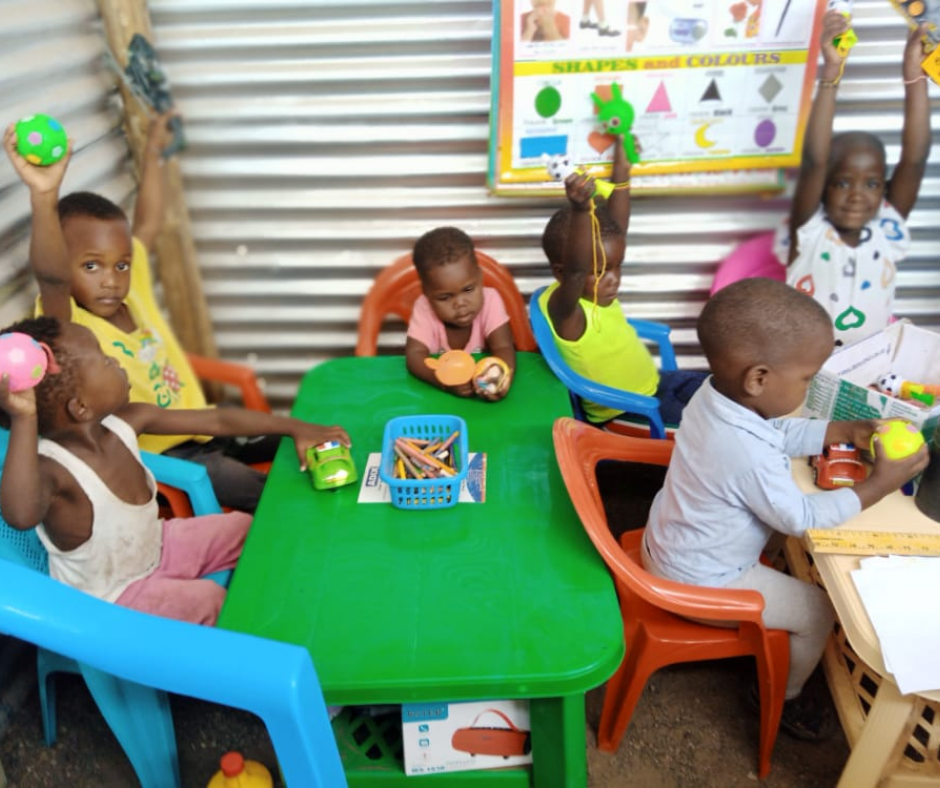
School built inside the Kakuma camp
This work has been co-produced with our sisters in Africa and international lesbian supporters.
Together we have:
Secured a dignified burial for baby Patricia, who died following police action
Supported a safe birth for baby Tracy after her mother faced discrimination while seeking medical care
Built a small school for the women’s children as it was not safe for them to travel to the camp school due to homophobia from other children and parents
Funded medical treatment for women whose healthcare needs were ignored because of their sexuality
Helped raise concerns about conditions in Kakuma with UK policymakers, some of whom raised questions in Parliament
Supported advocacy that led to enquiries from the UK office of United Nations High Commissioner for Refugees (UNHCR) regarding conditions in the camp
Organised interviews, articles, webinars and speaking opportunities to raise awareness internationally
Helped secure safe accommodation for women and children living outside the camp
Supported the five women who were resettled in Canada by helping them get more climate-appropriate clothing and suitcases before travel. We also continue to help them to adjust to their new lives through practical support and connections with local organisations. (This is in addition to the support provided by local refugee agencies).
Where Things Stand Today
The situation remains challenging: on top of the challenges already listed, recent cuts to international aid have severely restricted the ability to meet the women’s basic needs.
We currently remain connected to:
Two women living in safe accommodation in Kenya
14 women and 12 children living in another African country while awaiting resettlement
Nine women and five children who remain in Kakuma Refugee Camp.
A number of women have completed immigration and medical processes and are waiting for resettlement opportunities. Unfortunately, the recent Ebola outbreak has created travel restrictions and caused further delays.
While resettlement remains the long-term goal, the immediate priority is ensuring that women and children have access to safe accommodation, food, hygiene products and medical care.
How Your Donations Are Used
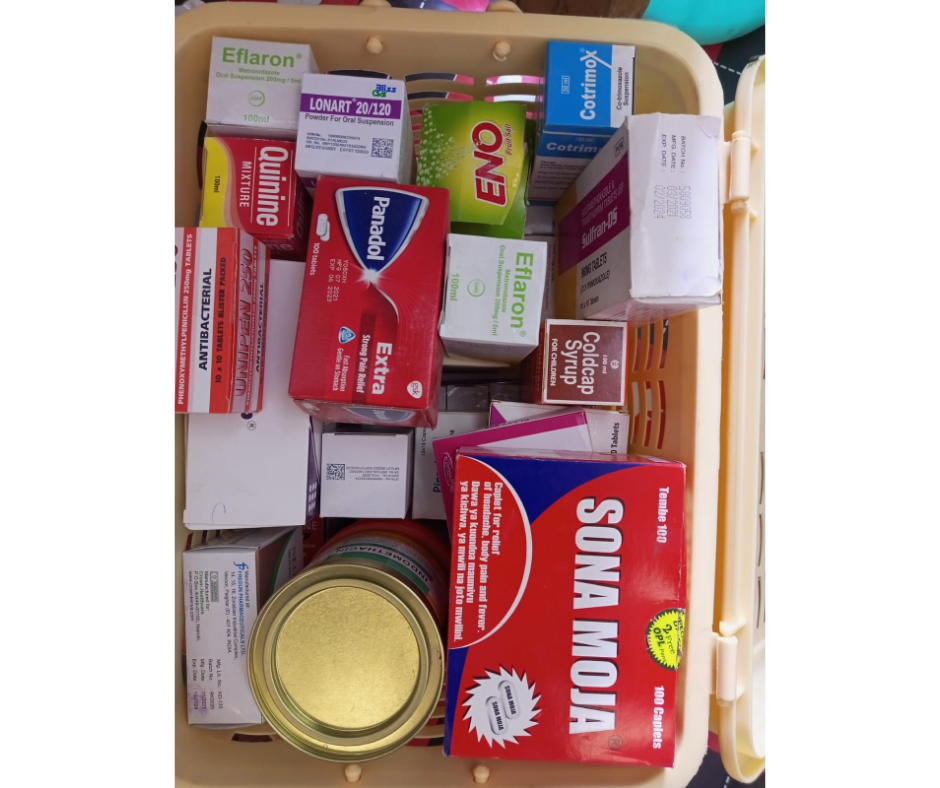
Medicines for the Women and children
FiLiA works alongside international partners to meet urgent needs.
Your donations help fund:
Medical treatment and healthcare when access is denied through other routes
Essential hygiene products
Safe accommodation and rent contributions
Emergency support during periods of crisis.
So far this year, your donations have helped cover rent costs, medical treatment for 13 women and four children, food and sanitary wear.
Over the next few months we will highlight in more detail the challenges and successes the women encounter, how your donations are helping, and the advocacy we have been involved in.
A final word from Julie (now settled in Canada)
‘I am calling for safety, justice, and lasting solutions for lesbian refugees in Kakuma. I want to see a world where refugee women and lesbians can live free from violence and where our voices and leadership are valued.
To me, solidarity is feminist action it means standing with us, amplifying our voices, and supporting our fight for freedom and dignity. As a human rights defender, I have continued to advocate for my community, and FiLiA’s solidarity since 2021 has shown the power of women standing together across borders.’
Thank You
This work would not be possible without the support of our donors and of our sisters internationally.
The women we work alongside have shown extraordinary resilience, courage and determination in the face of significant adversity.
They continue to advocate for themselves and for other lesbian refugees, while navigating circumstances that most of us can scarcely imagine.
Your support helps ensure that they are not facing those challenges alone.
On the 12th of August 2020 FiLiA released a podcast episode after interviewing nine lesbian refugees. They spoke of the lack of food, constant physical and sexual abuse and lack of basic shelter for them and the other LGB&T refugees in Block 13 Kakuma camp.
Since then, Patricia a five-month-old baby has died after being hit with a tear gas canister and two young men Trinidad and Jordan, were attacked with a firebomb, Trinidad later died from his injuries. Despite this, as you can hear the women say in their own words, UNHCR are still failing to offer support and protection to the refugees.
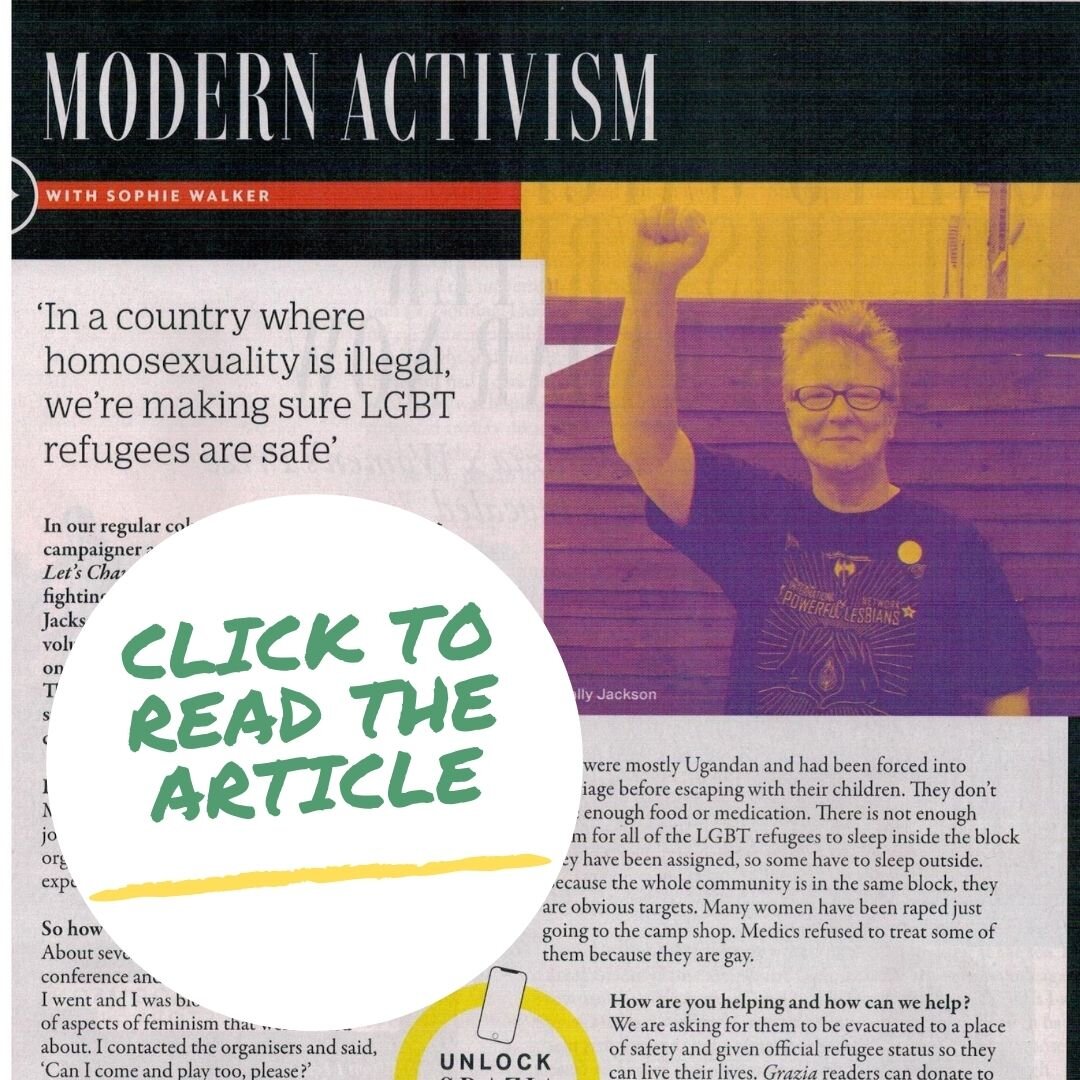
The Kakuma Campaign was featured in Grazia Magazine on July 13th.
FOR WAYS TO HELP please read this CAMPAIGN PACK, which details how you can support including: donating funds, signing a petition, emailing UNHCR (the pack includes a draft letter & addresses) and sharing on social media.

For updates about Kakuma you can read our blog posts here:
May 2025 - Good news from Kakuma
August 2024 - Positive News from our Sisters in Kakuma
July 2024 - “We Want to Be Free” Stories of Ugandan Lesbians
April 2023 - Remember Sanctuary-Seeking Women On Lesbian Visibility Day
Nov 2022 - UNHCR refuses to help, instead attacks our sisters in Kakuma refugee camp
July 2022 - Kakuma Urgent Action Needed Now
Feb 2022 - This Valentines Day Show Your Love for the Women in Kakuma
Nov 2021 - Thank you for Making a Difference in Kakuma
Aug 2021 - Arson Attack Leaves Lesbians in Kakuma Refugee Camp with Nothing
Or watch a webinar replay featuring our sisters in Kakuma: